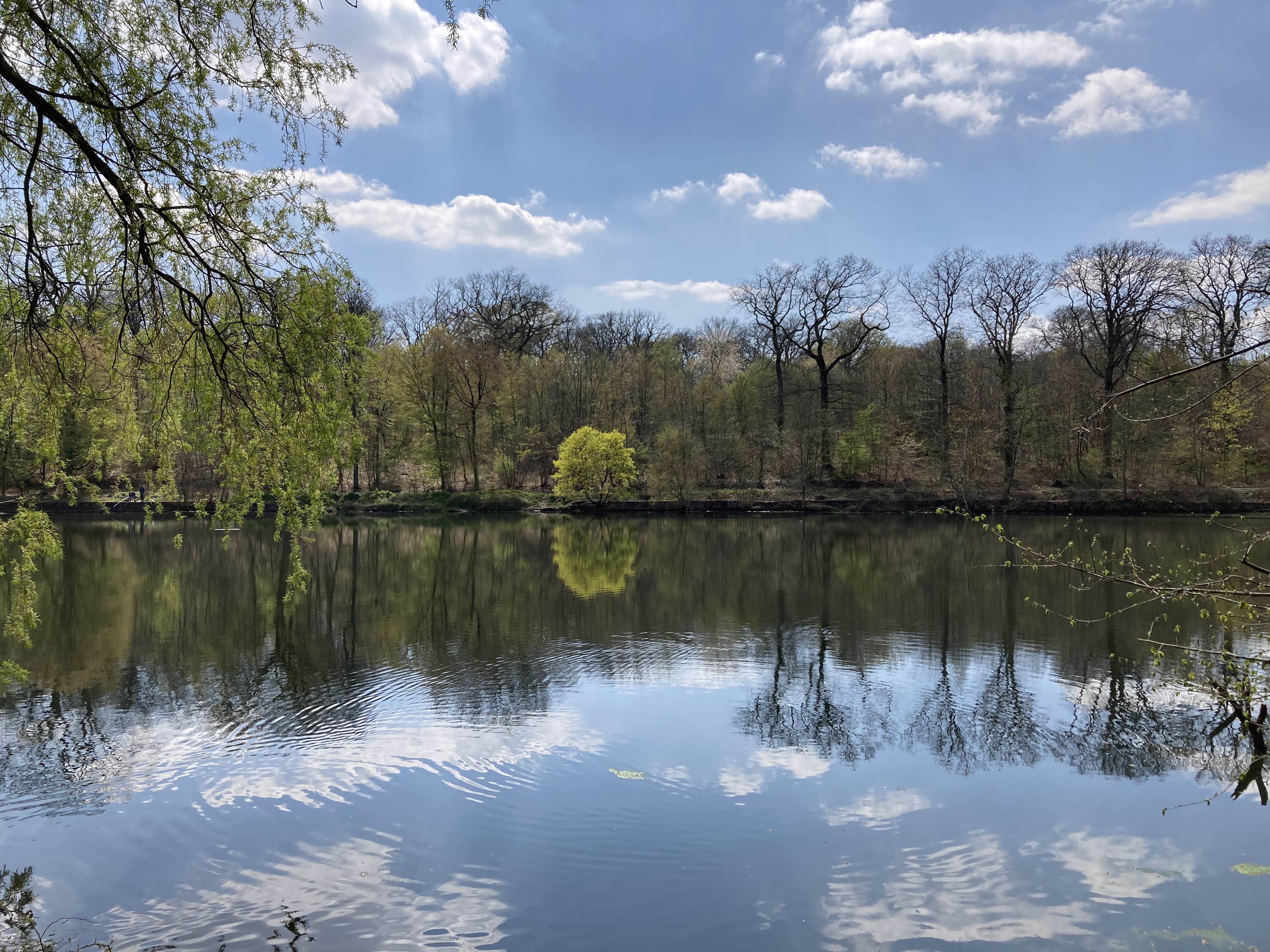
Forêt domaniale de Meudon
Paris Nearby Natural Oasis, Historic Royal Forest
Discover Forêt domaniale de Meudon
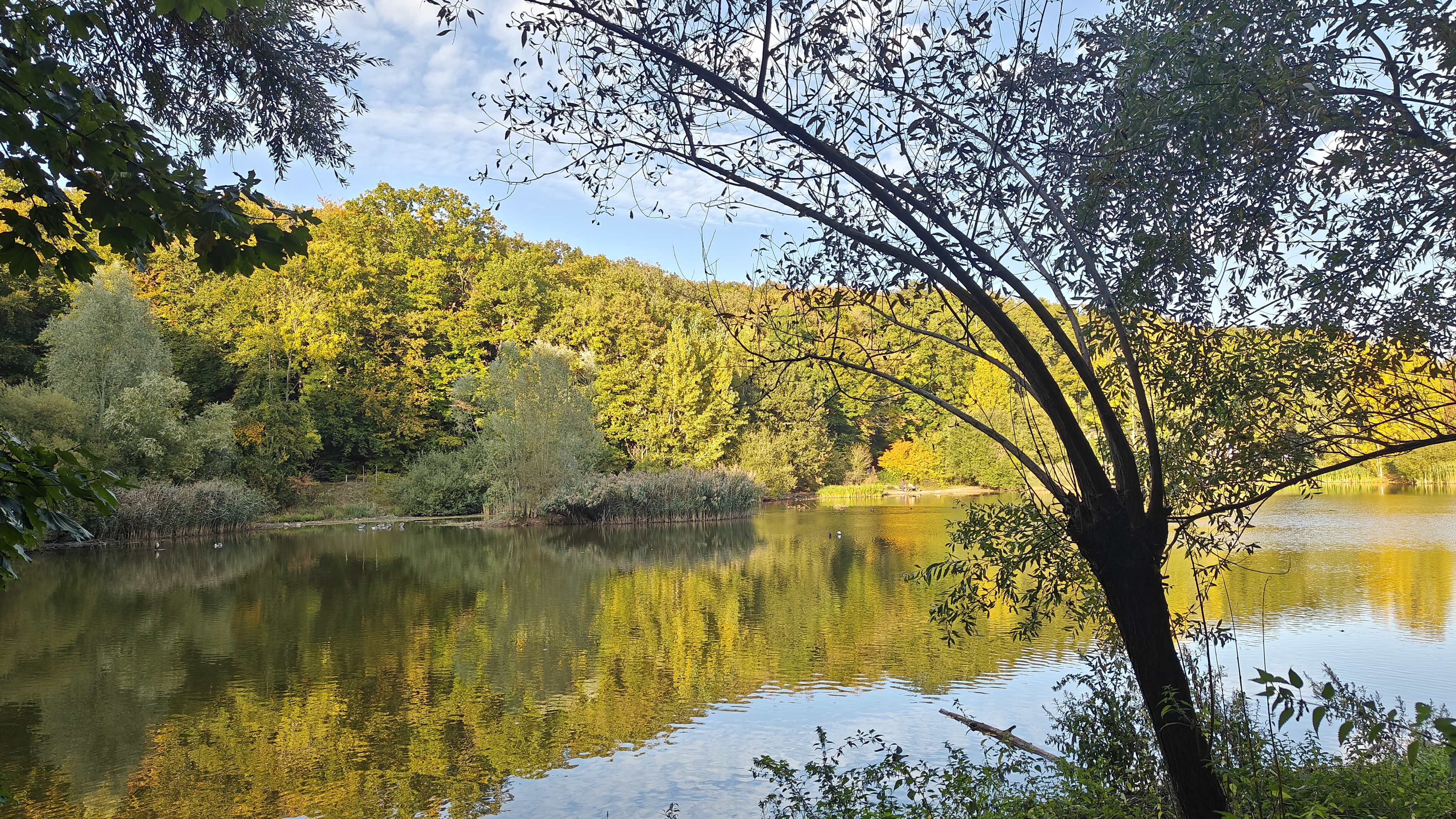
The Forêt domaniale de Meudon is a public forest in the southwestern suburbs of Paris, covering about 1,100 hectares across several communes in the Hauts-de-Seine department. Managed by the Office national des forêts (ONF), it is open to everyone free of charge, making it one of the easiest nature outings from the capital. The massif is crossed by a network of forest tracks. According to the ONF, an approximately 8 km lakes circuit is waymarked and documented there. Vegetation, dominated by oaks, beeches and pines, offers varied scenery through the seasons. Wildflowers bloom in spring, green canopies provide shade in summer, colourful foliage paints the landscape in autumn, and peaceful silence envelops the forest in winter. The forest shelters varied wildlife: roe deer, wild boar, foxes, squirrels and many bird species. For nature lovers and photographers, it is a favourite spot. From a few open clearings you can glimpse the horizons of southwestern Paris. Whether you want to walk for an hour or spend half a day in the forest, the Forêt domaniale de Meudon offers preserved nature just outside Paris.
Visit Tips
- Free and open access, no ticket required
- Recommended main entrance: 10-minute walk from Meudon train station
- Best hiking seasons: Spring and autumn, pleasant weather
- Bring water and snacks, limited facilities inside the forest
- Wear comfortable hiking shoes, some trails may be slippery
- Check the official ONF website for maps and recommended routes
Highlights
- About 1,100 hectares, across several communes in the Hauts-de-Seine
- Network of forest tracks, including a waymarked ~8 km lakes circuit
- Former hunting ground for French royalty, history dates to medieval times
- Rich biodiversity, habitat for various wildlife and plants
- A few open clearings reveal the horizons of southwestern Paris
About Forêt domaniale de Meudon
Basic Information
Official Name
Forêt domaniale de Meudon
Attraction Type
Nature Reserve, Forest, Hiking Destination
Country
France
City
Meudon, Hauts-de-Seine
Google Rating
4.4/5 (5,460)
Address
Q6W5+8R Meudon, France
Visiting Information
Opening Hours
Free access, open all year round (no ticket office)
Best Time to Visit
Spring (Mar-May): Wildflowers bloom, mild weather, ideal for hiking
Summer (Jun-Aug): Lush green canopies, but beware of insects
Best Time to Visit
Autumn (Sep-Nov): Colorful foliage, picturesque scenery, best season for photography
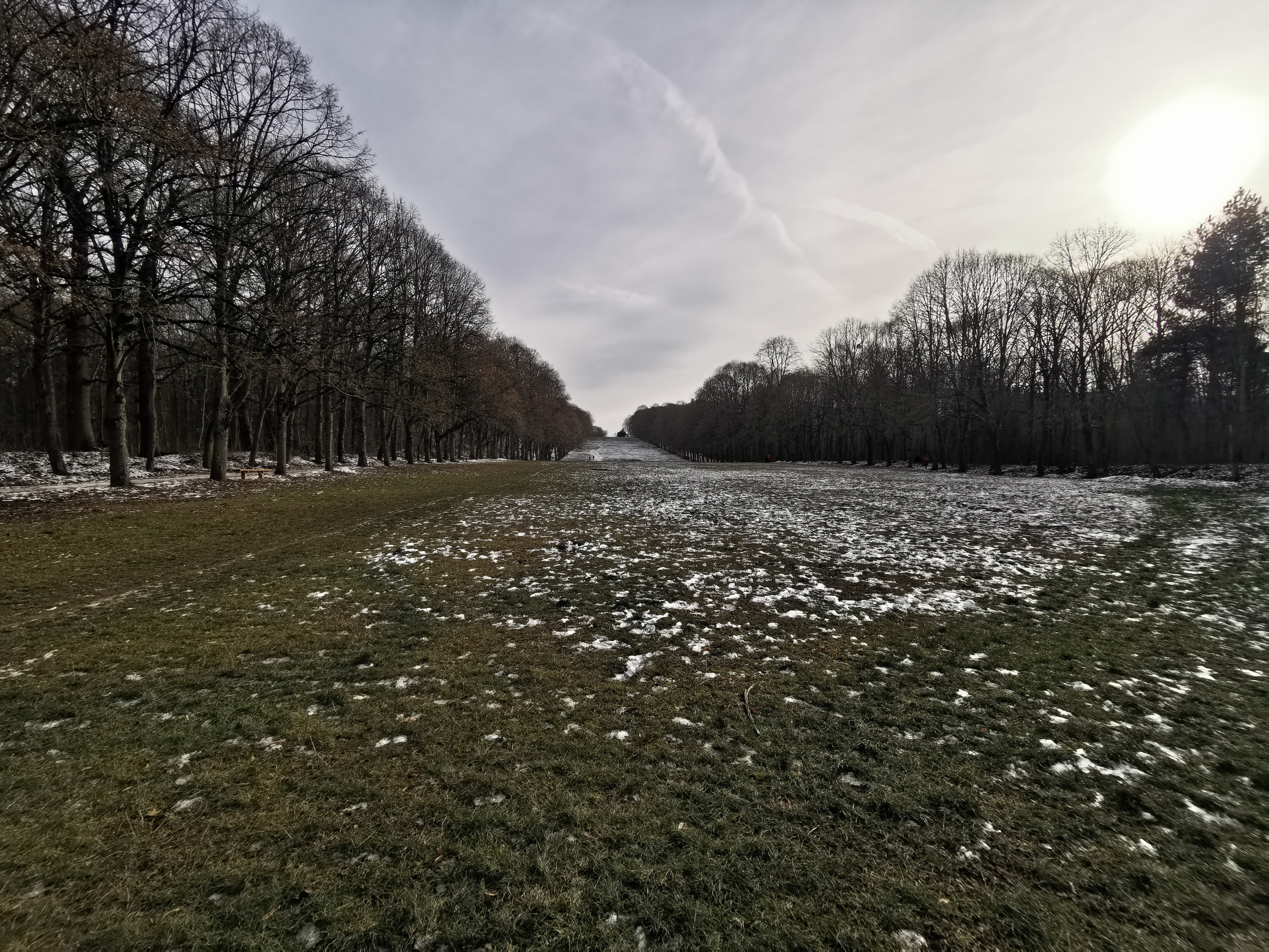
Winter (Dec-Feb): Peaceful and quiet, but some trails may be muddy
Recommended to visit in morning or evening, avoid midday sun; weekends in autumn can be crowded
Ticket Prices
Forest Access
Completely free, no ticket required
Parking
Free (Arrive early on weekends)
Guided Tours
As a science popularization platform, we encourage free exploration. We do not provide commercial guided tour bookings.
How to Get Here
From Paris City Center
Take Transilien line N or U from Paris to Meudon station, then walk about 15 minutes to the main forest entrance. Alternatively, take a bus from Pont de Sèvres.
From Meudon Train Station
Exit Meudon station towards the forest, follow Avenue du Château, then follow 'Forêt' signs. Walk about 15 minutes.
Public Transport
Transilien line N (from Paris Montparnasse) and line U (from La Défense) serve Meudon station. Several bus lines also connect the neighbouring communes: check the Île-de-France Mobilités website for the stop closest to your chosen entrance.
Walking & Cycling
Walking from Meudon town to the forest is very convenient. The forest has over 50 km of trails, also suitable for cycling (mountain bikes).
Driving & Parking
From Paris, take A13 highway, then D907 to Meudon. Several parking lots available around the forest, but can be crowded on weekends. Recommend arriving early or using public transport.
From the Airport
From Charles de Gaulle (CDG) or Orly (ORY) airport, take the RER B to central Paris, then transfer to Transilien line N or U to Meudon station. The journey takes about 1.5 to 2 hours.
The Story of Forêt de Meudon
History & Origins
The history of Forêt de Meudon dates back to the Middle Ages, when it served as a hunting ground for French royalty. The forest once covered a much larger area, but due to urban expansion and agricultural development it has been reduced to its current 1,100 hectares. In the 17th century, during the reign of Louis XIV, Forêt de Meudon was officially designated as a royal forest, managed by dedicated forest rangers. After the French Revolution, the forest became state property (domaine national), which is the origin of its name 'Forêt domaniale'. Today, the forest continues to be a source of inspiration for artists and nature lovers alike, and it remains a well-loved natural space for walking and hiking.
Biodiversity
Forêt de Meudon is one of the most biologically rich areas in the Île-de-France region. The main tree species are oak, beech and pine, complemented by various broadleaf trees. Several mammals live here (roe deer, wild boar, foxes, squirrels, badgers) alongside varied birdlife, especially active in spring and autumn. The forest also holds wetlands and edge habitats that support biodiversity. For precisely recorded species, refer to ONF inventories or local naturalist associations.
Recreation & Activities
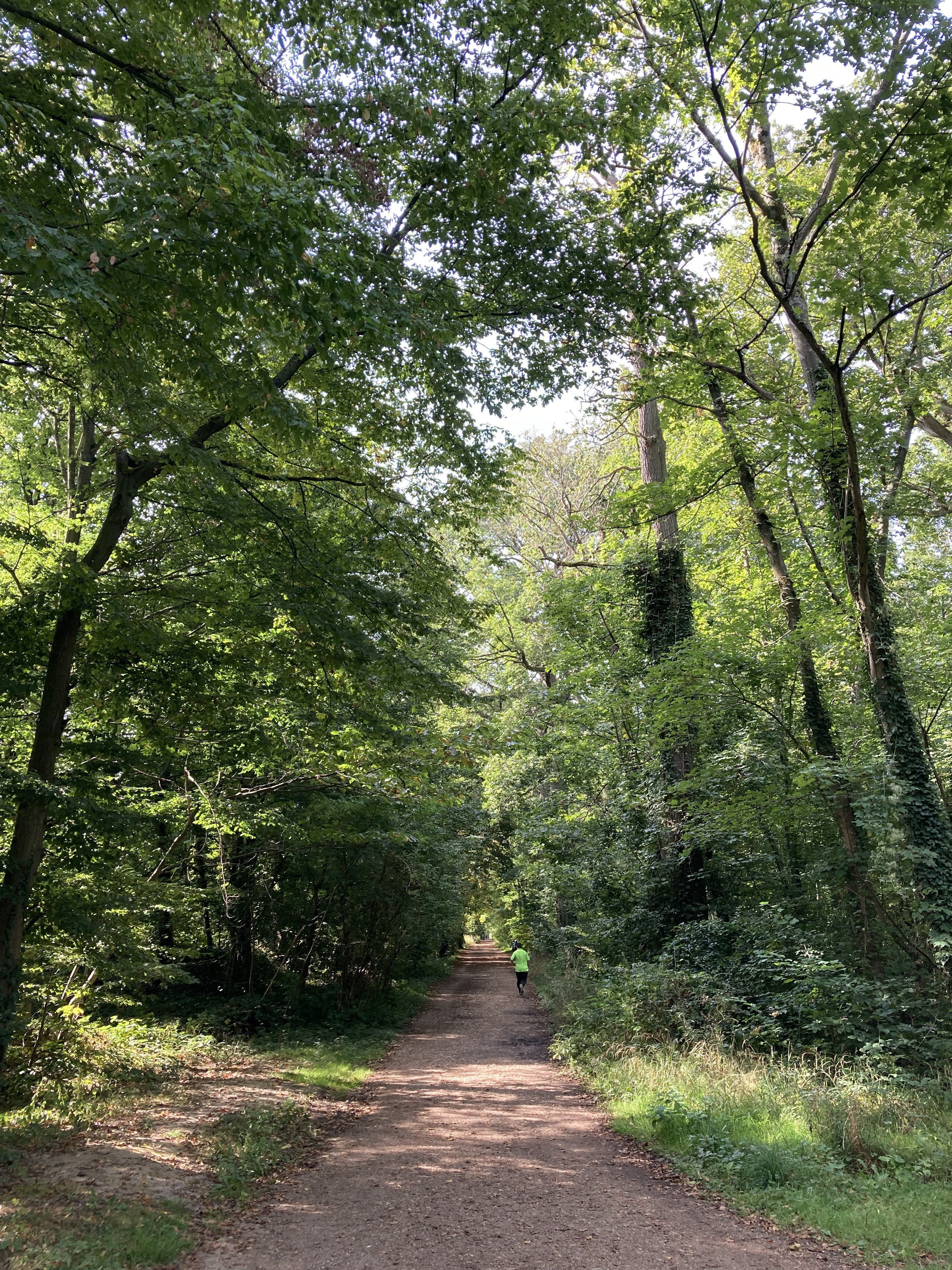
Forêt de Meudon offers a wide range of outdoor activities: **Hiking**: a network of waymarked forest tracks with varying difficulty. The ONF has laid out discovery routes here, including an approximately 8 km lakes circuit. **Cycling**: some wide tracks are used for mountain biking, in line with the signage. **Running**: the forest is a favourite spot for runners from the Paris region. **Nature education**: discovery walks are sometimes offered, suited to families and school groups. For up-to-date routes, check the ONF documents.
Conservation & Management
Forêt domaniale de Meudon is managed by the Office National des Forêts (ONF, National Forest Office of France). ONF is responsible for sustainable forest management, reforestation, fire prevention, and visitor safety management. In recent years, ONF has implemented a series of ecological protection measures: - Limiting visitor numbers in sensitive ecological areas - Regular tree planting to maintain forest diversity and health - Controlling invasive species to protect native flora and fauna - Setting up education bases to raise public environmental awareness Visitors are also encouraged to follow the 'Leave No Trace' principle: take all trash with you, do not pick plants, do not feed wildlife, and stay on marked trails.
Recommended Hiking Routes
From Meudon station, allow 10 to 20 minutes on foot to a forest edge. Then choose a route to fit your available time: a short one-hour loop, or the waymarked lakes circuit of about 8 km for a half day. Stay on waymarked paths and carry an offline map.
Reach Meudon station from Paris (Transilien line N from Montparnasse).
Walk 10 to 20 minutes towards a forest edge, following the town signage.
Pick a route that fits your time: a short loop, or the lakes circuit (~8 km).
Enjoy the oaks, beeches and pines, and the wetlands along the way.
Pause at an open clearing to watch wildlife or glimpse southwestern Paris.
Return to your start on a parallel path, then walk back to the station.
Photo Spots
Belvédère Viewpoint
Best panoramic spot, capture Paris cityscape and Eiffel Tower, especially beautiful at sunset
Ancient Oak Trees
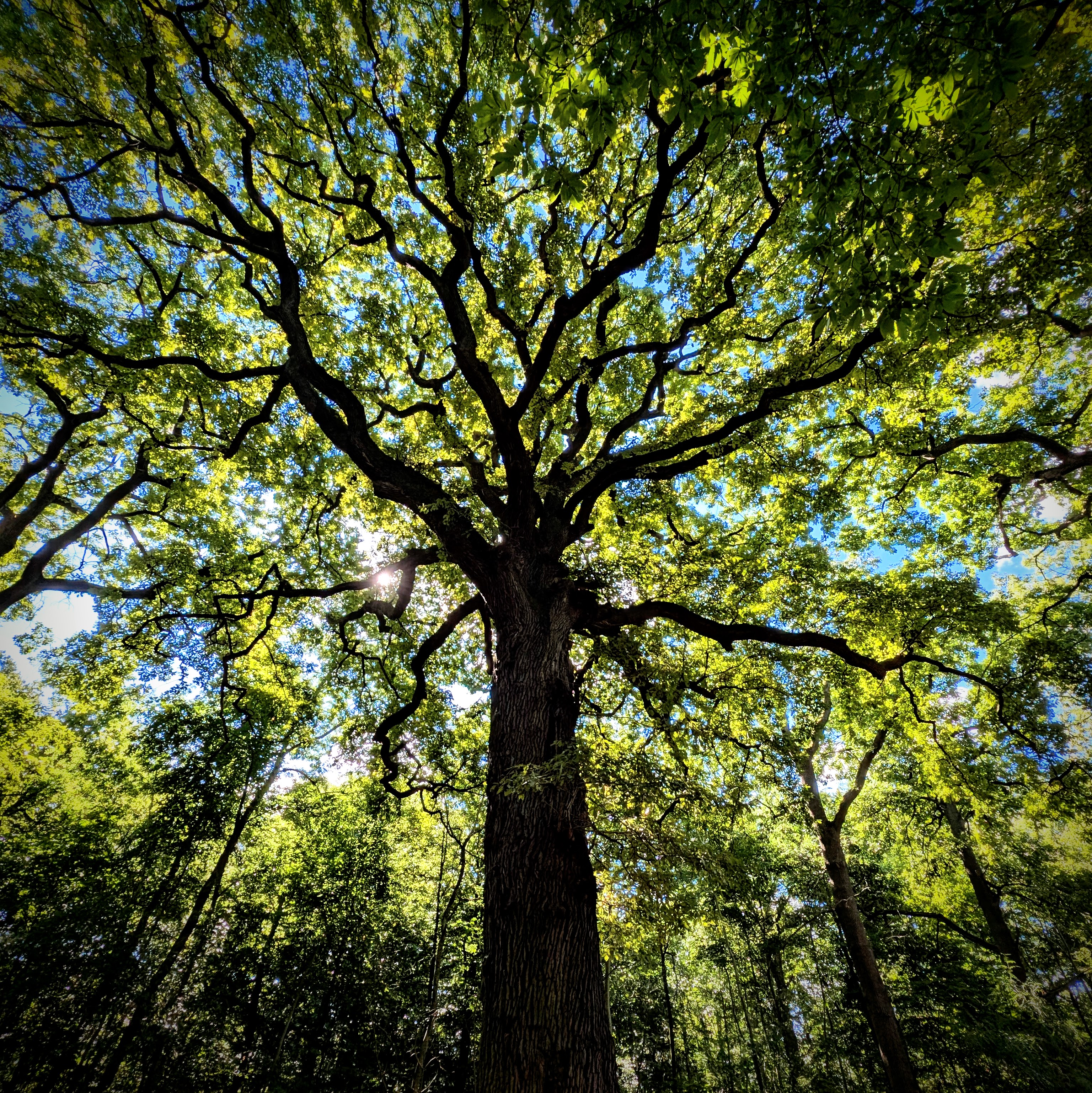
Photograph towering trees and forest depths, showcasing the forest's tranquility and mystery
Quarry Ruins
Combination of historical ruins and natural landscape, suitable for industrial ruin-style photos
Forest Trail
Capture winding forest paths, especially beautiful with autumn fallen leaves
Wetland & Stream
Photograph small wetland ecosystems in the forest, suitable for macro and nature photography
Accommodation Types
Accommodations in Meudon Town
Close to the forest entrance, convenient for walking, suitable for visitors who want to deeply experience nature and tranquility.
Accommodations Near Versailles
Not far from Meudon Forest, suitable for travelers planning to combine a visit to the Palace of Versailles with a forest hike.
Accommodations in Central Paris
Convenient transportation, daily commute to the forest via public transport (about 30 min), suitable for visitors mainly staying in Paris.
Local Guesthouses & B&Bs
Experience French country life, often with gardens, suitable for families or nature lovers planning a longer stay.
Photo Gallery
Forêt domaniale de Meudon - Paris Nearby Natural Oasis
Forest Panorama — Forêt domaniale de Meudon
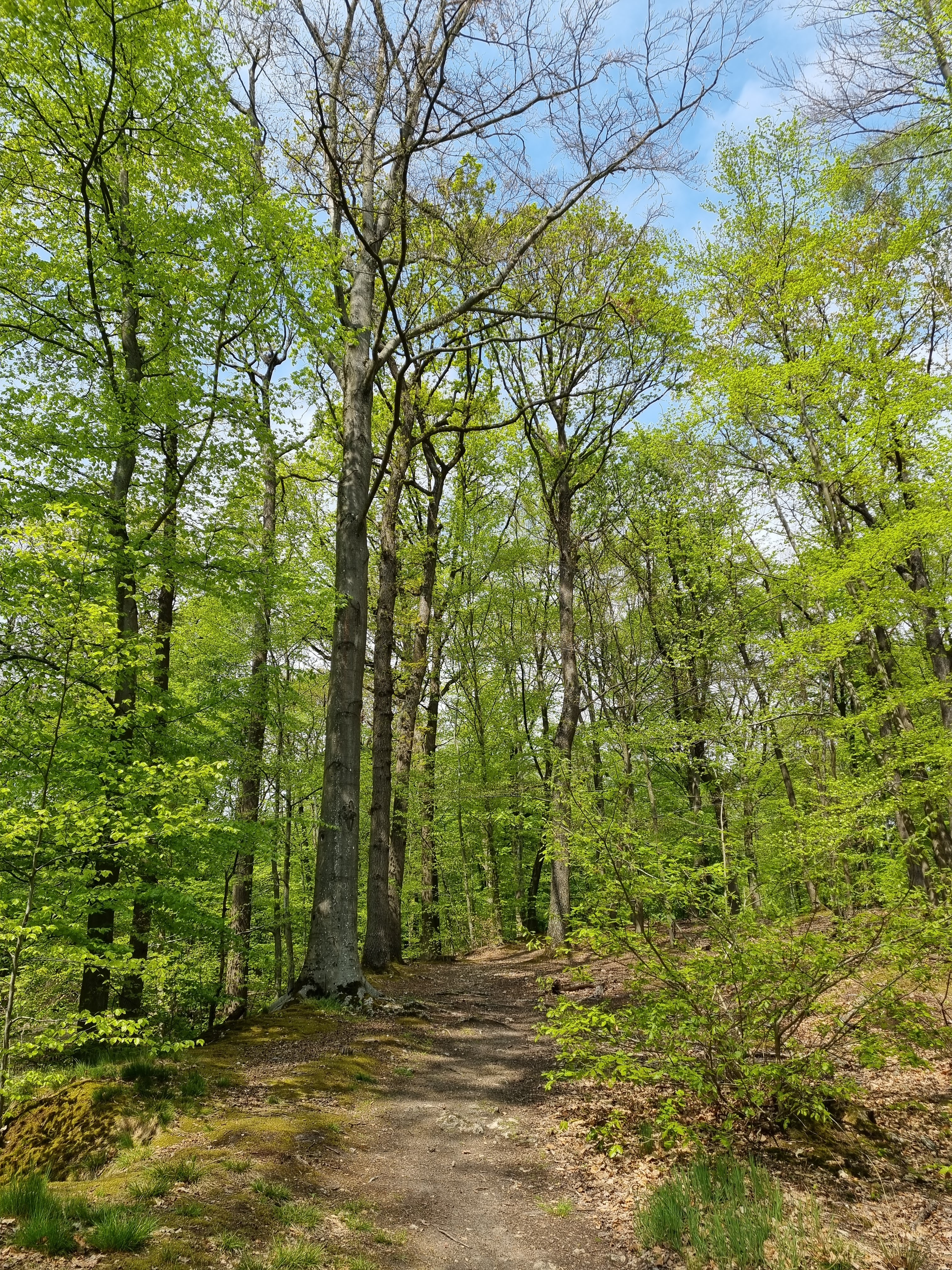
Ancient Oak Trees — Forêt domaniale de Meudon
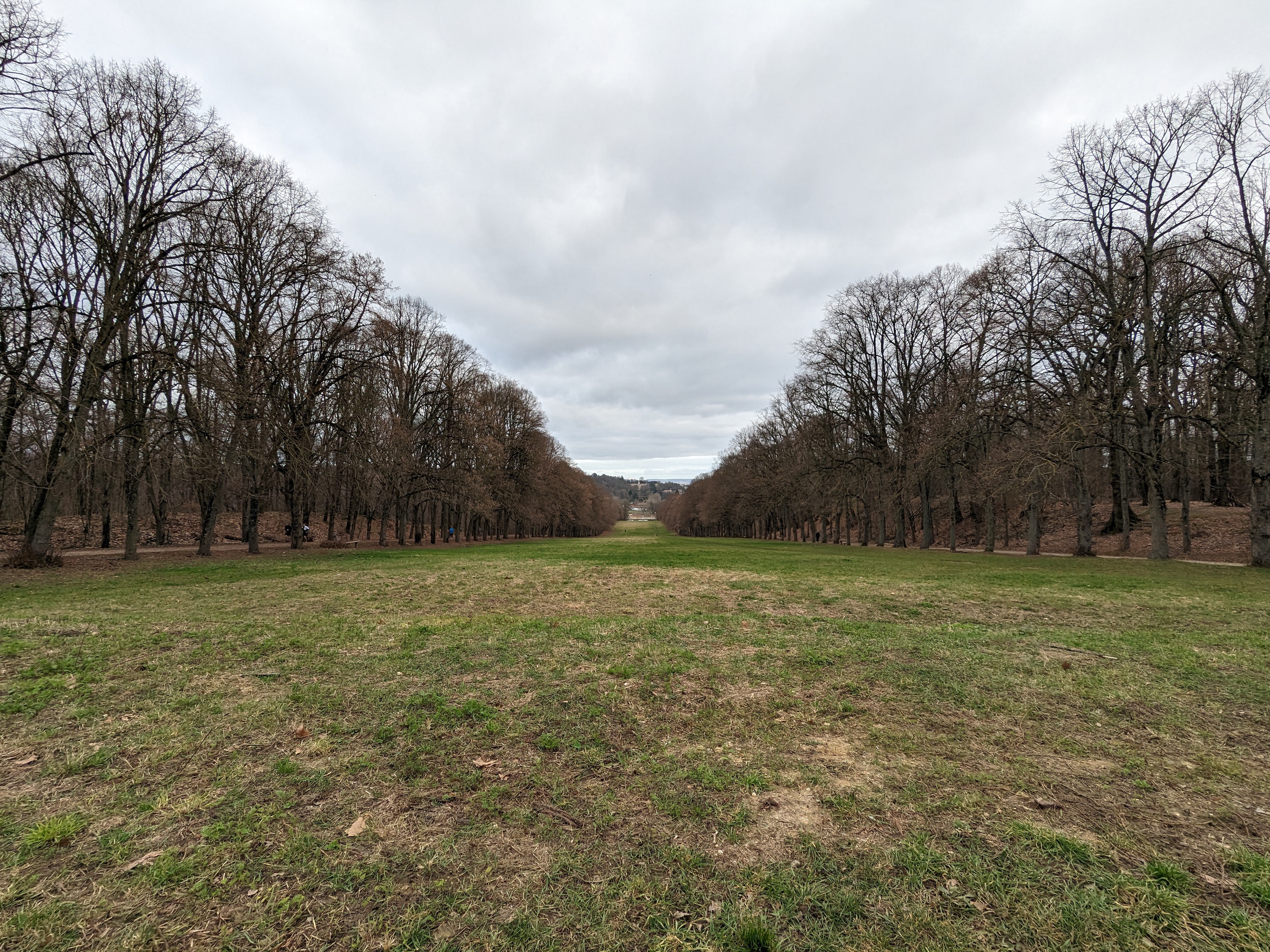
Forest Trail — Forêt domaniale de Meudon
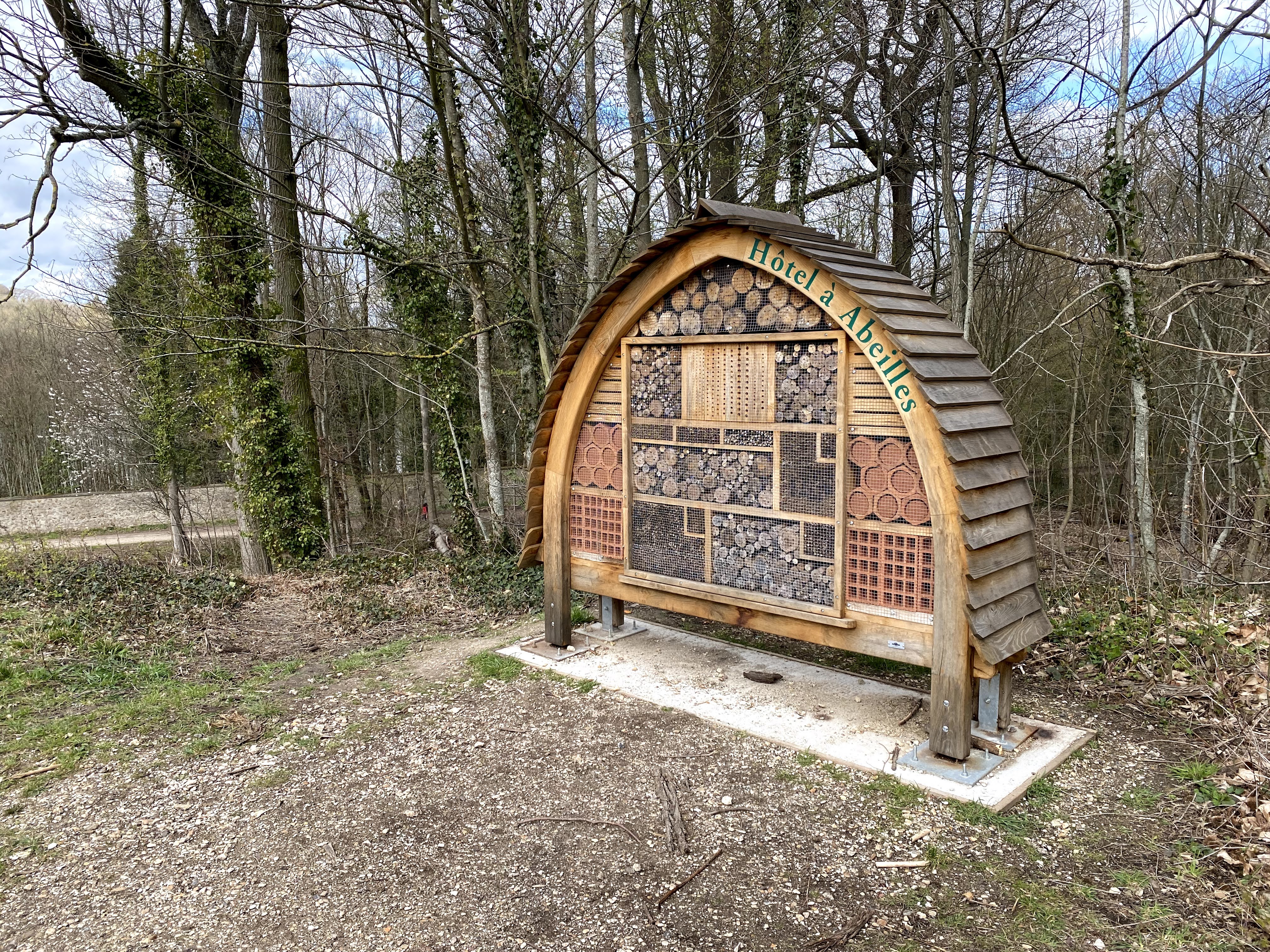
Autumn Scenery — Forêt domaniale de Meudon
Belvédère Viewpoint — Forêt domaniale de Meudon
Wildlife — Forêt domaniale de Meudon
Quarry Ruins — Forêt domaniale de Meudon
Wetland Ecosystem — Forêt domaniale de Meudon
Visitor reviews
Valued for its shaded trails, its ponds and its proximity to Paris, the Forêt de Meudon is a free, family-friendly nature outing.
Read reviews on Google MapsPractical guides for your visit
Hiking, trail map, lakes walk and access: our pages to help you plan your trip to the Forêt de Meudon.
Frequently asked questions about the Forêt de Meudon
Answers to the most common questions before you go.
Is the Forêt de Meudon open and free?
Yes. It is a national forest managed by the ONF, open to everyone free of charge, with no ticket or booking.
Where do I enter the forest from Paris?
From Paris Montparnasse, Transilien line N reaches Meudon station in about twenty minutes; allow another 10 to 20 minutes on foot to a forest edge. Several buses also serve the neighbouring communes.
Are there waymarked trails?
Yes. The ONF builds and maintains waymarked discovery routes, including a lakes circuit of about 8 km. Stay on waymarked paths and carry a map.
Can I bring my dog?
Dogs are welcome but must be kept on a lead, to protect the wildlife and the calm of the massif.
Can I cycle or run?
Wide forest tracks are used by cyclists and runners. Keep a moderate pace and give way to pedestrians.
When is the best season to visit?
Spring and autumn are the most pleasant (wildflowers, colours). In summer, go early; in winter, some trails can be muddy.